Resources · reactor fundamentals, plainly explained
Understand the technology, from the ground up.
Clear, sourced explanations of how microreactors work, how reactor state is independently verified, what autonomy actually means under NRC rules, and how advanced reactors are licensed. Every guide is written to authoritative sources and states plainly where our own HELIX design is a target rather than a proven result.
22 guides · sourced to NRC, DOE, IAEA, IETF and the national laboratories
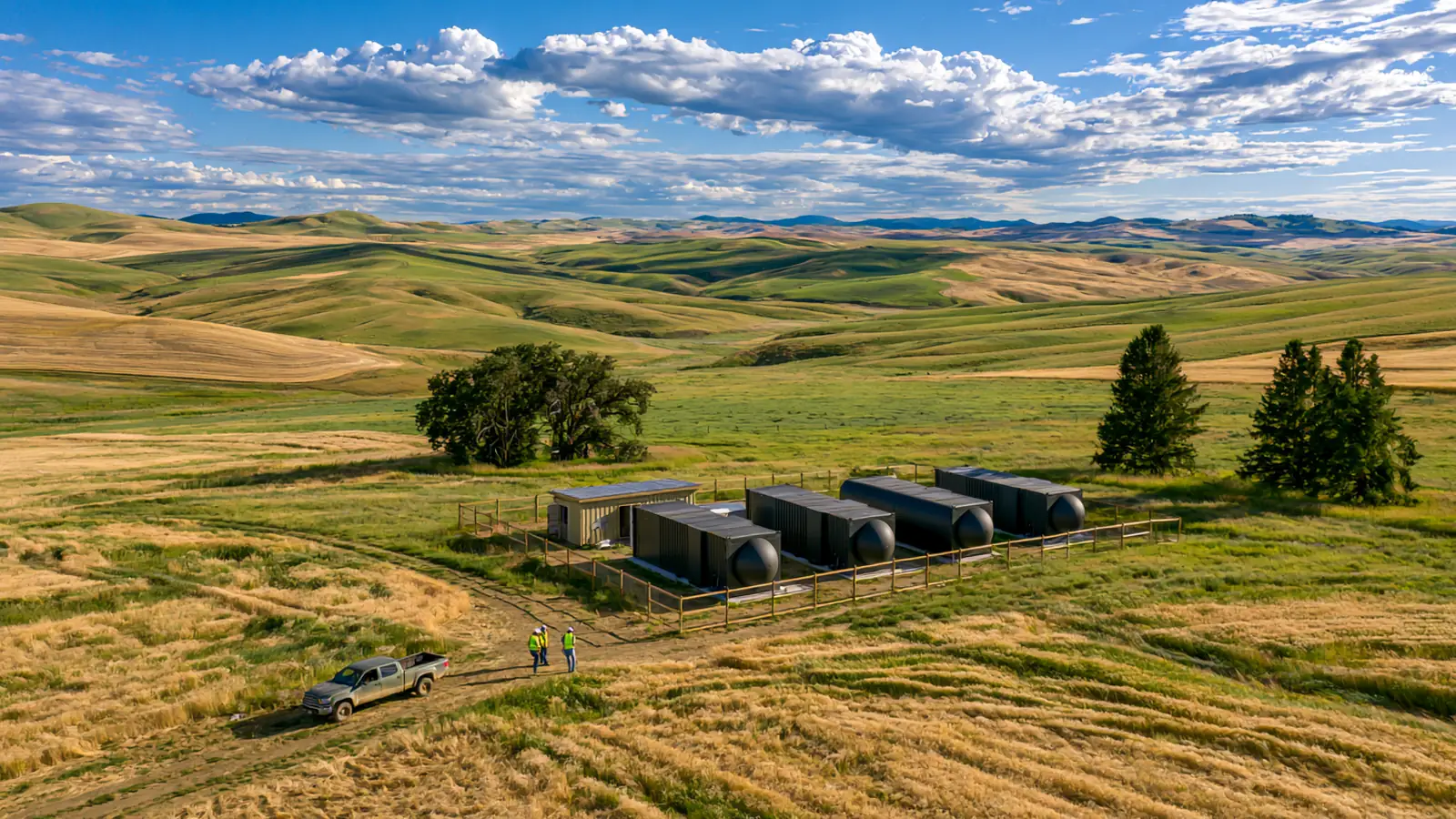
The NRC has given RankShield Energy a project number. Here is what that does and does not mean.
An NRC pre-application project number is a tracking identifier, not an approval. What it changes is the fee basis, and that provision expires in 2030.
Read the guide →
Who Inspects a Reactor Built in a Factory? Verification of Off-Site Fabrication
An analysis of how a factory-built reactor is verified before shipment and how provenance is established when the unit is received at its operating site.
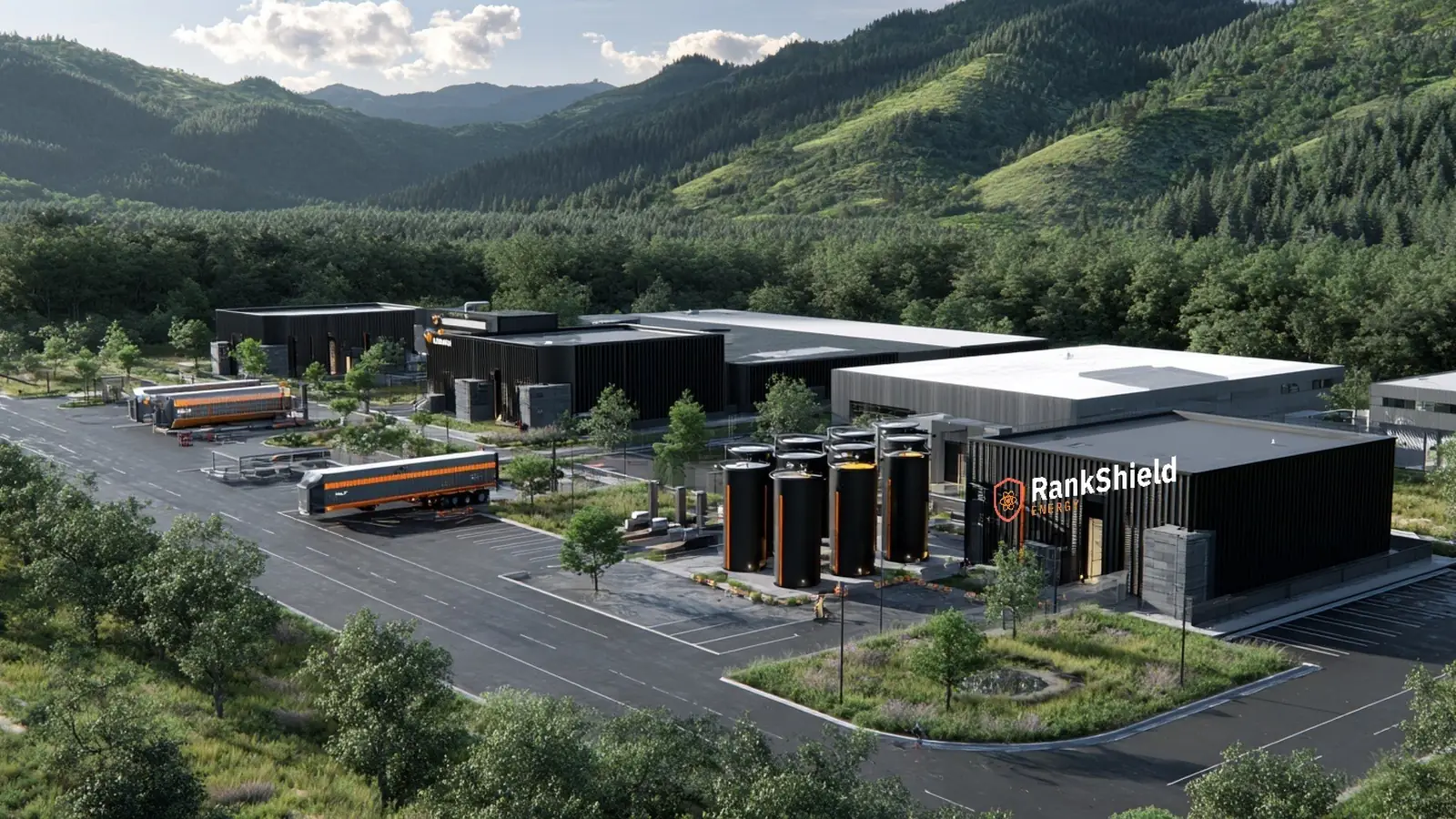
Which Regulations Apply to a Microreactor? A Framework Applicability Analysis
A regulatory applicability analysis of the four NRC licensing pathways open to a microreactor developer, the guidance above them, and where the choices lie.
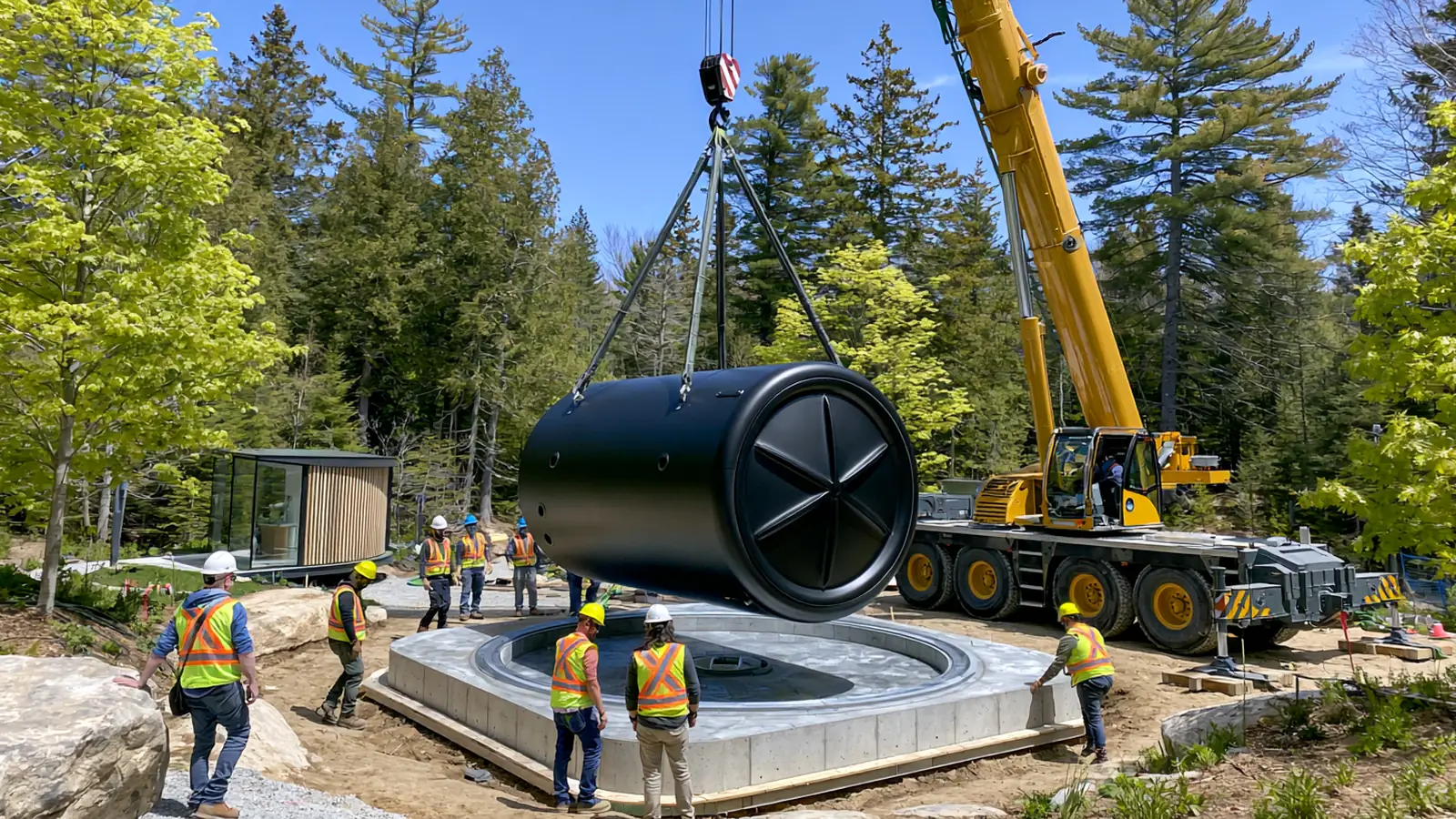
Where HALEU Comes From: The Fuel Supply Behind Advanced Reactors
HALEU is the fuel most advanced reactors need, and supply is still being stood up. Here is where it comes from and why it shapes deployment timelines.
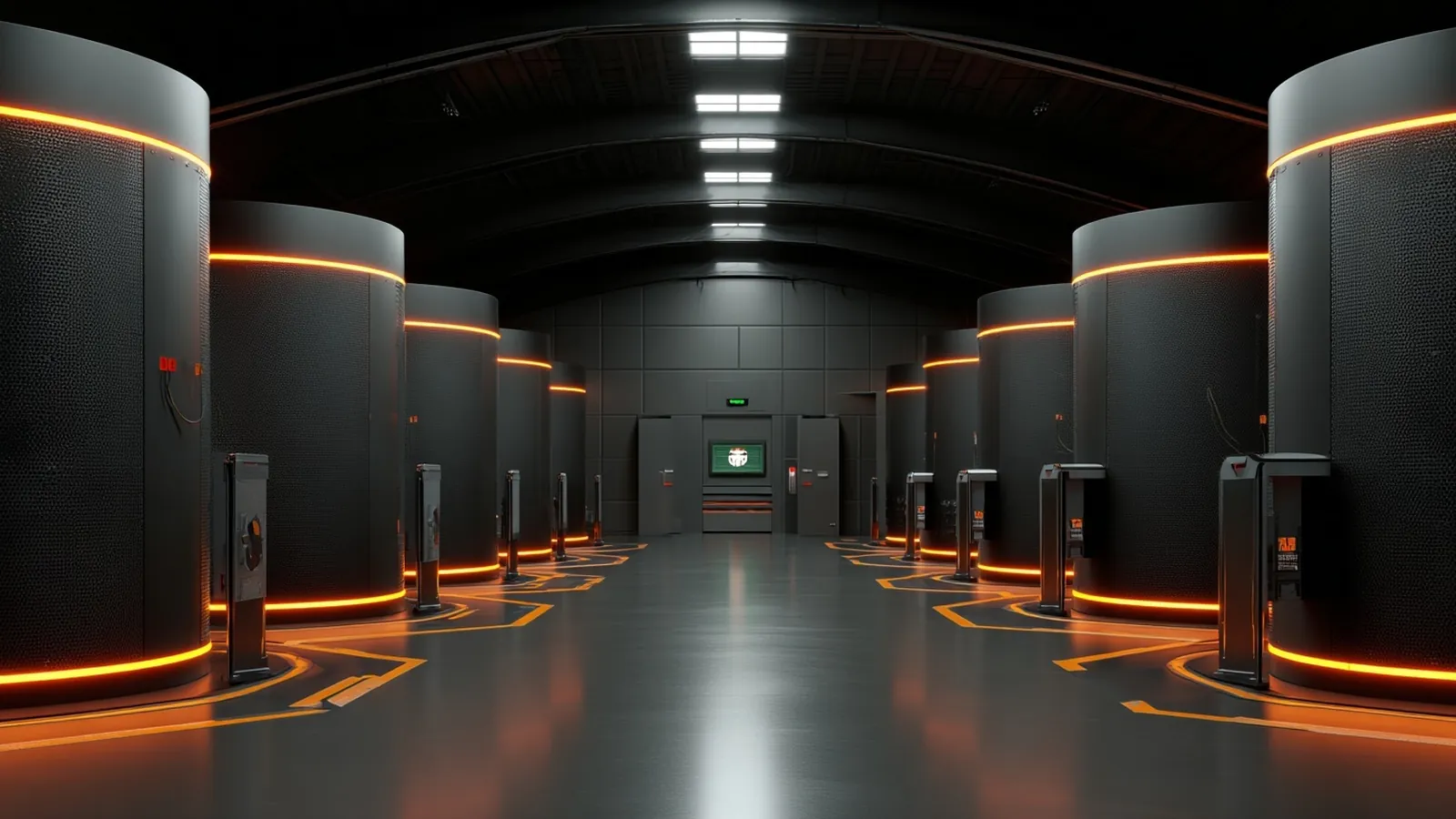
Fleet-Scale Verification: One Operator, Many Reactors
When one operator oversees many microreactors, verification has to scale too. See what changes and why independent confirmation matters more at fleet scale.
A Reference Architecture for Independent Verification of Reactor State
A reference architecture for verifying reactor state independently, assembled from published standards, and assessed honestly against the regulatory record.
Open Questions in Autonomous Microreactor Oversight: A Working Register
A working register of what the public record on autonomous microreactor oversight settles, what it leaves open, and who would have to resolve each entry.
Oversight Models for Fleet-Scale Microreactor Deployment: A Comparative Analysis
A comparative analysis of four candidate oversight models for a deployed microreactor fleet, assessed against five stated criteria and the public record.
What Makes a Machine-Generated Reactor Record Admissible Evidence?
Machine-generated reactor records are becoming the evidence regulators, insurers, lenders, and grid operators rely on. No accepted standard exists yet.
How to Evaluate a Microreactor Vendor: The Verification Questions to Ask
Choosing an advanced reactor vendor means separating verifiable claims from assertions. Here are the questions to ask about verification, autonomy, and status.
From Sensors to an Attestation Record: How Reactor State Is Confirmed
How does raw sensor data become a record a regulator or insurer can trust? Follow the chain from telemetry to a tamper-evident, independently verifiable record.

Automation, Remote Operation, and Autonomy: What the Terms Actually Mean
Automation, remote operation, and autonomy are not the same, and the difference is regulatory. See what each term means for microreactors under Part 57.
Speed-to-Power for Data Centers: Where Firm Nuclear Fits
US data-center load is climbing while interconnection queues stretch. See what firm power actually requires and where advanced nuclear fits on the timeline.
How the NRC Pre-Application Process Actually Works
Pre-applicant does not mean approved. See how NRC advanced-reactor pre-application engagement actually works, step by step, and what it does and does not grant.
Microreactor Cybersecurity, Explained: Digital I&C and the New Threat Model
Digital instrumentation and autonomous control change the microreactor threat model. See how today's standards point toward independent cyber attestation.
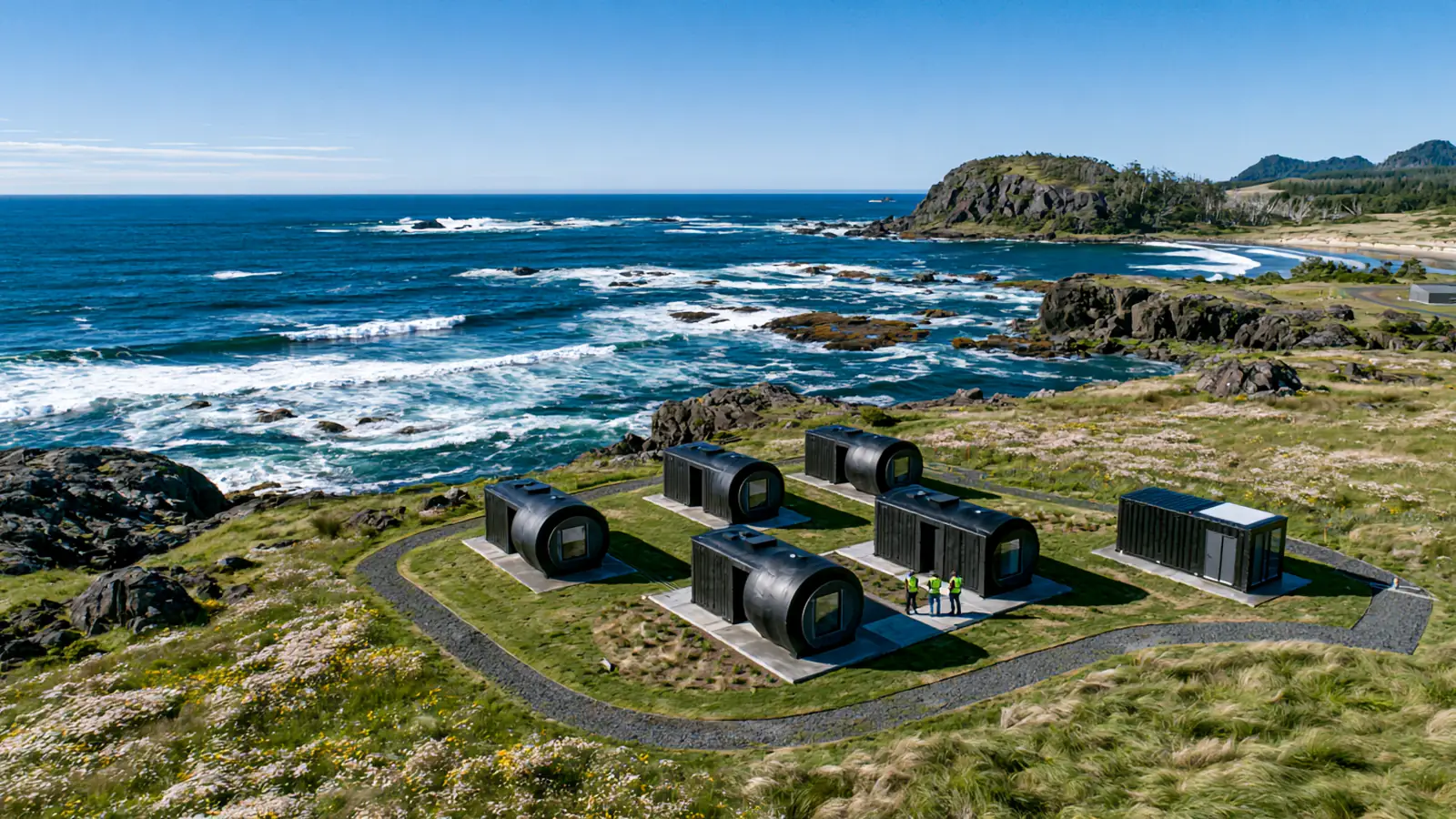
Trusting a Remotely Operated Reactor: The Command and State Problem
Remote operation splits the operator from the core. Learn the two trust gaps this opens, verified commands and verified state, and how each is being addressed.
The Digital Twin as a Verification Layer for Remote Reactor Operations
A digital twin can do more than simulate. See how it becomes a verification layer that independently confirms reactor state for remote and autonomous operation.
NRC Part 57 and Autonomous Operation, Explained
The NRC's proposed Part 57 rule defines autonomous operation for microreactors. Here is what it says, what it does not, and why the trust surface matters now.

Self-Attestation vs Independent Verification for Autonomous Reactors
When a reactor reports its own status, who checks the check? Compare self-attestation and independent verification for autonomous and remote reactor operations.
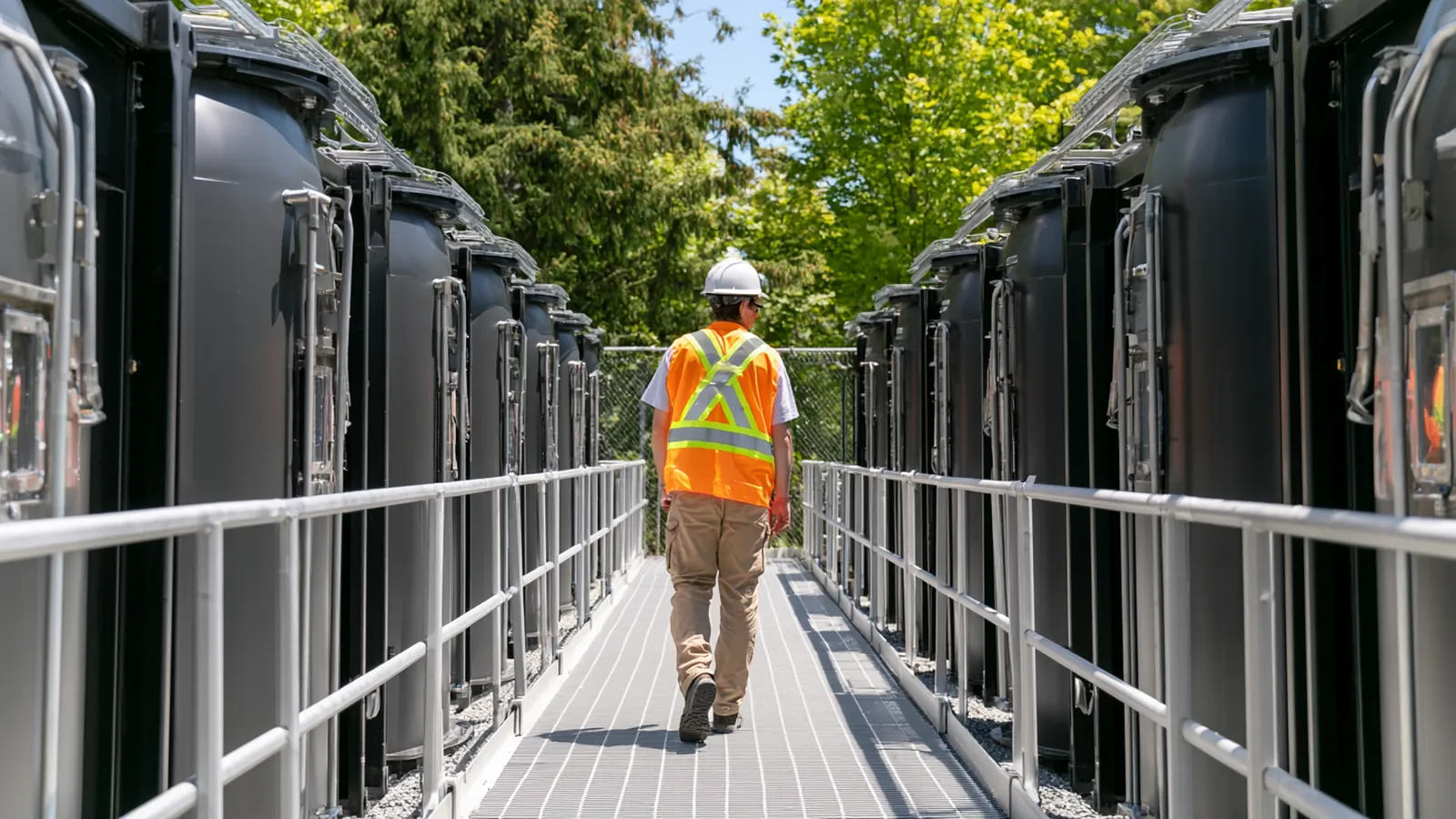
How to Verify an Autonomous Microreactor Is Operating Safely
An autonomous microreactor runs with fewer people on site. See how independent verification confirms it is operating safely, without taking a vendor's word.
Walk-away safety, explained
Walk-away safety means a reactor shuts itself down and cools itself using physics alone, with no operator, no power, and no pumps. Here is how it works.
What is a nuclear microreactor?
A nuclear microreactor is a factory-built reactor producing roughly 1 to 20 megawatts, per DOE, small enough to ship on a truck to where power is needed.
No guides in that topic yet.